
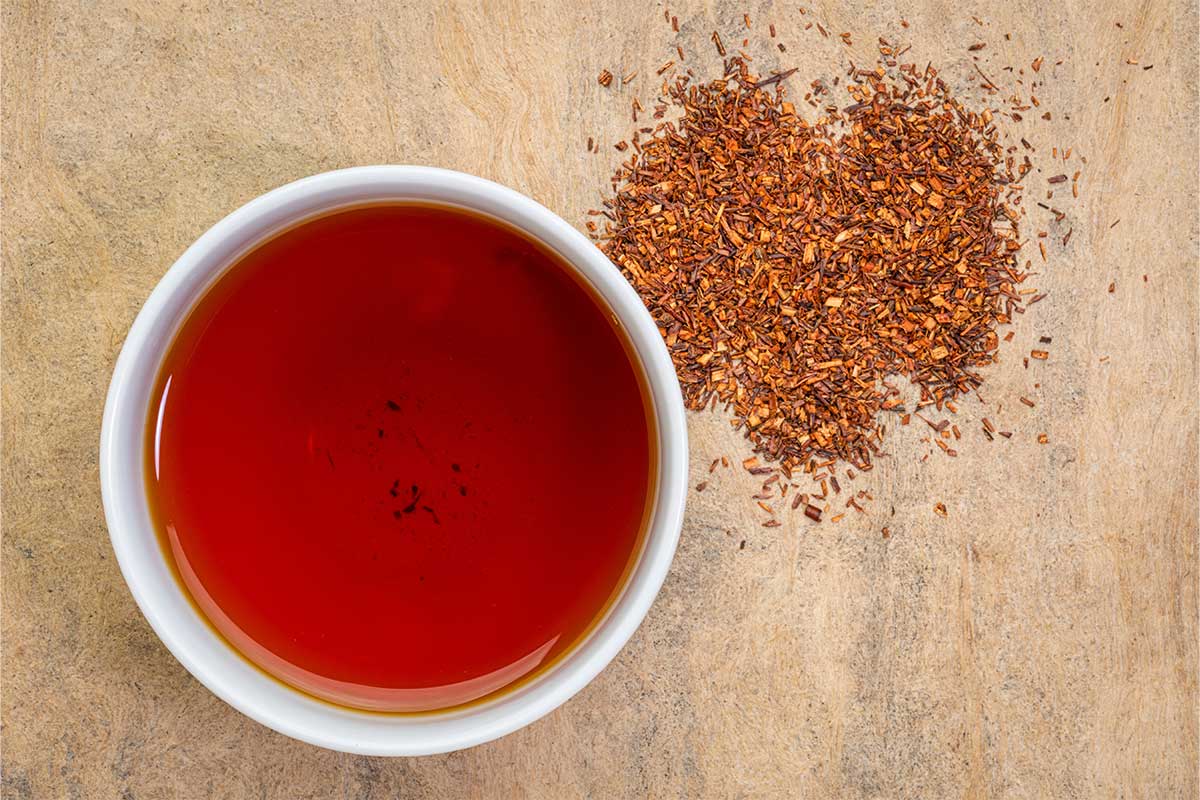
Rooibos Tea: A Naturally Sweet, Caffeine-Free Red Tea
Rooibos tea (say it like ROY-boss) is a warm, cozy drink that is becoming popular all over the world. Even if you have never heard of it, this red tea might soon become one of your new favorites.[1]
Rooibos is smooth, naturally a little sweet, and easy to enjoy. It is also full of helpful plant nutrients that can support your body in many ways, from your bones to your heart.[1][2]
What Is Rooibos Tea?
Rooibos tea comes from a plant called Aspalathus linearis, which grows in South Africa. It is not a “true” tea, because true teas like green and black tea come from the Camellia sinensis plant. Rooibos is an herbal tea, also called a tisane, which means it is naturally caffeine-free.[1][2]
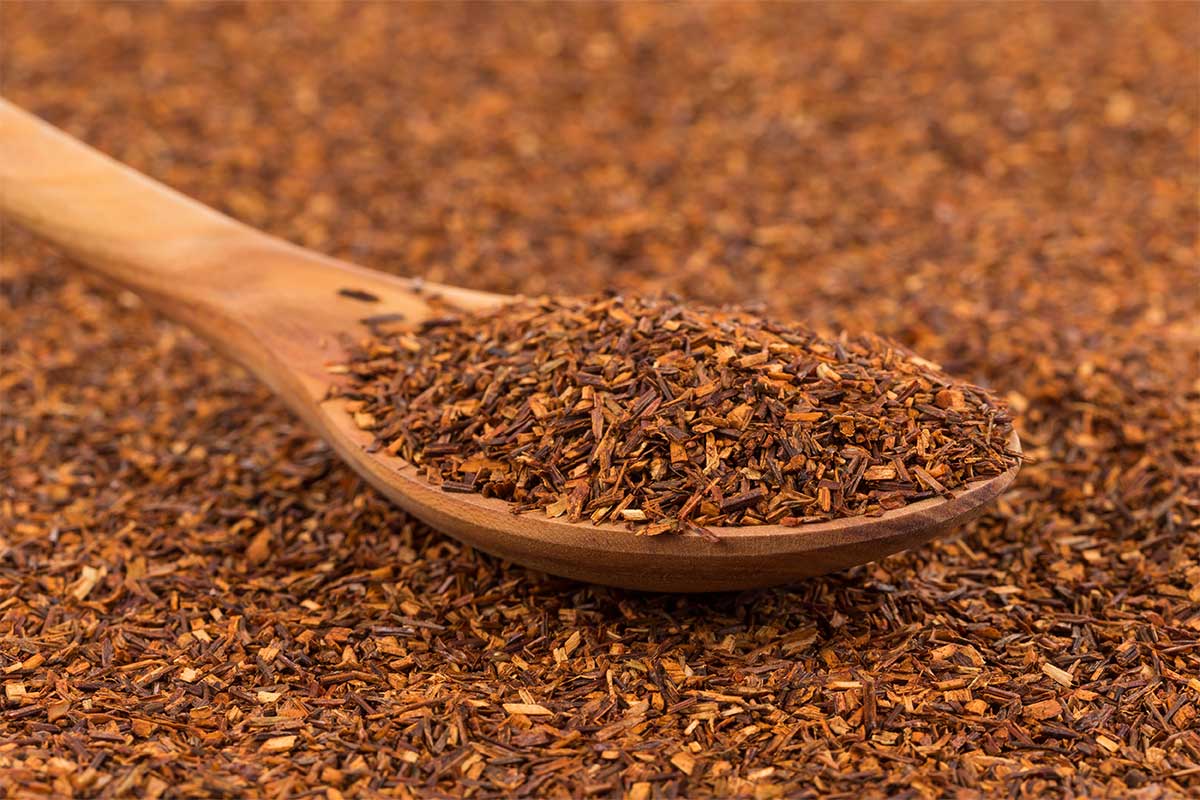
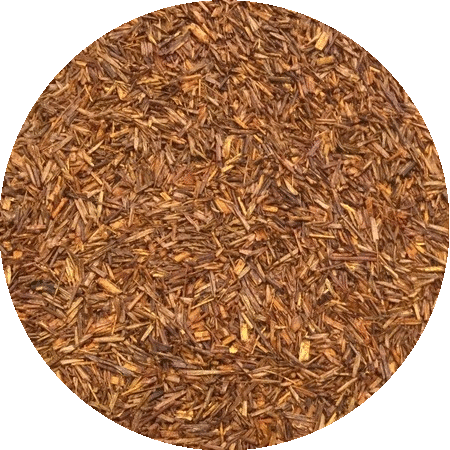
Farmers harvest the leaves, then let them oxidize and dry in the sun, which turns them a rich red-brown color and gives them their gentle, earthy taste. Some rooibos is kept greener and less oxidized, but most people know the classic red style.[2]
A Short History of Rooibos
Rooibos has been part of South African life for a long time. Local people first picked the wild plants in the mountains and used them as a calming and healing drink. In the 1770s, a Swedish scientist wrote about a “red tea” made by local communities.[1]
Dutch settlers in South Africa began drinking rooibos because it was easier and cheaper to get than black tea shipped from Europe. In the 1900s, farmers learned how to grow rooibos on a larger scale, and from there, it slowly spread across the world.[1]
Why People Drink Rooibos Tea
Rooibos is more than just a tasty drink. It contains special natural compounds called antioxidants, like aspalathin and quercetin, that help protect your cells from damage and support everyday wellness.[3][1]
Here are some of the main benefits people look for:
- Bone and mineral support
- Rooibos contains minerals such as calcium, magnesium, manganese, zinc, and iron, which help support strong bones and joints. Because rooibos is low in tannins, it does not block your body from absorbing iron the way some true teas can.[2][1]
- Allergy comfort
- The plant pigment quercetin in rooibos may help block the cells that trigger allergic reactions, which can support relief from seasonal allergies and hay fever.[4]
- Digestive support
- Many people use rooibos to help with digestion. It may help ease cramps, bloating, and other mild digestive discomfort.[3]
- Heart and blood sugar health
- Rooibos is the only known food or drink that naturally contains aspalathin, an antioxidant that may help support heart health and balanced blood sugar over time.[4][3]
Rooibos is also naturally caffeine-free, so it is a gentle choice if you want a relaxing drink in the evening, are sensitive to caffeine, or simply want to cut back on coffee and soda.[3][2]
Frequently Asked Questions About Rooibos Tea
Does rooibos tea have caffeine?
What does rooibos tea taste like?
Can children drink rooibos tea?
Are there different flavors of rooibos?
Is rooibos tea safe for everyone?
Rooibos and a Healthy Lifestyle
Adding rooibos tea to your routine is an easy way to choose a more natural, low-sugar drink. It has no caffeine and almost no calories, so it fits well with many health and weight goals.[2][3]
You can enjoy rooibos:
- Hot, as a cozy evening drink
- Iced, for a refreshing summer tea
- Plain, or with a little honey, sugar, or lemon
Because it is gentle on your stomach, many people like a cup after meals to relax and support digestion.[3]
Golden Orange Rooibos at TeaMaze
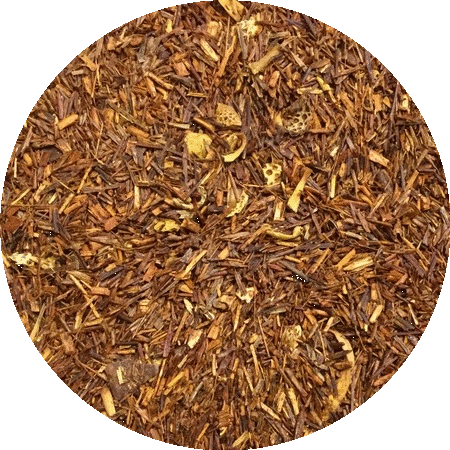
At TeaMaze, our Golden Orange Rooibos starts with high-quality rooibos leaves and adds real dried orange rind for extra flavor. This blend offers a soft natural sweetness with bright citrus notes and a light, sweet aftertaste.[5]
You can drink it plain, or add a touch of sugar or honey to bring out the more subtle fruit notes. It is delicious hot on a cool day, and just as good poured over ice for a smooth, orange-kissed summer drink.[8][5]
Try Rooibos Tea Today
Rooibos tea has gone from the mountains of South Africa to cups all over the world for good reason. It is smooth, naturally sweet, caffeine-free, and full of helpful plant antioxidants that support daily wellness. It is also simple to brew and easy to enjoy, whether you are brand-new to tea or already a tea lover.[1][3]
If you are ready to taste this gentle red tea for yourself, order Golden Orange Rooibos, or stop by the TeaMaze Shop in person to pick some up today. Brew a cup, relax, and discover why rooibos is becoming one of the world’s favorite herbal teas.[5][3][1]
References
- https://theiriecup.com/blogs/news/rooibos-tea-the-caffeine-free-super-tea-you-need-to-try
- https://www.thewhistlingkettle.com/blogs/tea/health-benefits-of-rooibos-tea
- https://dailyvita.com/en-sg/blogs/news/rooibos-tea-benefits-why-this-caffeine-free-red-tea-is-great-for-daily-wellness
- https://www.teabloom.com/blog/the-truth-about-rooibos-tea-health-benefits/
- https://tms.alishamcfarland.com/shop/golden-orange-rooibos-tea/
- https://www.droracle.ai/articles/558376/is-rooibos-tea-safe-for-patients-with-chronic-liver
- https://www.mskcc.org/cancer-care/integrative-medicine/herbs/rooibos-tea
- https://drinkgreatteamarketplace.com/products/orange-sunset-rooibos
- https://ybtco.com/products/orange-rooibos
- https://pmc.ncbi.nlm.nih.gov/articles/PMC4435260/